11 Best Ski Resorts in Japan, 2026/27
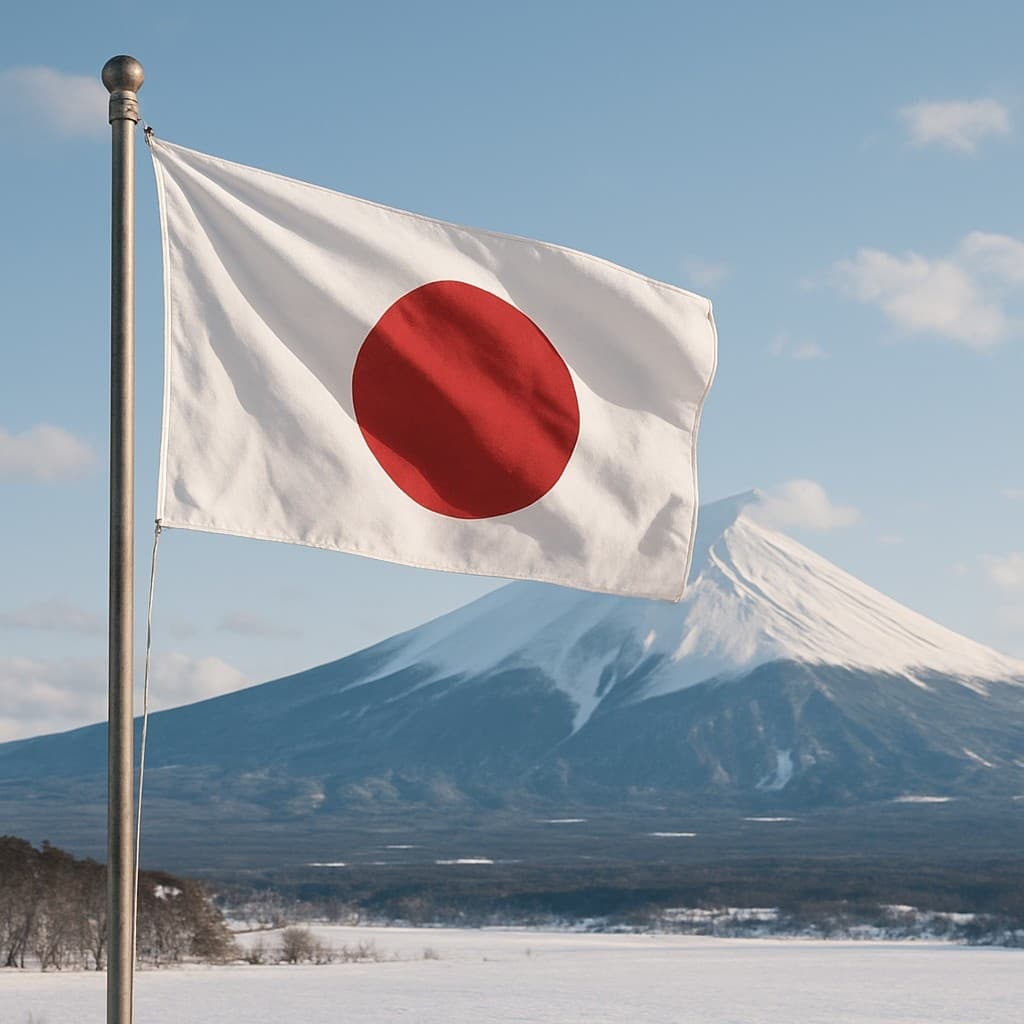
Home to over hundreds of ski resorts and host of the Winter Olympics in 1972 and 1998, Japan is a dream destination for snow enthusiasts. Boasting one of the longest and snowiest ski seasons in the world, generally running from December through April, with areas like Niseko receiving some of the most consistent powder in Japan, the Land of the Rising Sun is world-class for pure, unadulterated powder skiing.
Top resorts like Niseko, Hakuba Valley and Rusutsu offer diverse terrains for all skill levels, with Niseko famous for its legendary powder and Hakuba for its Olympic legacy. January and February typically deliver the most reliable snowfall, while Hokkaido and the higher-altitude mountains of Nagano often see snow earlier in the season. Don’t miss the chance to unwind in a traditional onsen (hot spring) after a day on the slopes! Here’s our curated list of the best ski resorts in Japan, each offering a unique blend of adventure, scenery and cultural charm.

1. Rusutsu
Known for
Renowned for combining deep, consistent Hokkaido powder with reasonably uncrowded slopes across three interconnected mountains.
Highlights
26/27 Ski Season:
- Opening Date: December 2, 2026* (Estimated open date based on historical data)
- Closing Date: April 6, 2027* (Estimated close date based on historical data)
Closest airports
New Chitose Airport (CTS) - 52 miles (2 hours)

Why Ski Rusutsu
Rusutsu offers some of the deepest snow you'll ever ski, with crowds that are still mellow (for now) and serious indulgence waiting off the slopes.
The terrain. Rusutsu's versatility is what sets it apart:
- 37 trails across three interconnected mountains: West Mountain, East Mountain and Mt. Isola
- 4 gondolas and 14 lifts connecting it all
- Terrain mix: ~30% beginner, 40% intermediate, 30% advanced/expert
- Beginners enjoy wide cruisers like Family, Rainbow and Easy Trail
- Experts flock to legendary ungroomed powder like Tiger, Super East and Heavenly Canyon
- Longest run: Isola Grand, a 2.2-mile descent and one of Hokkaido's finest
This balance makes Rusutsu an outstanding pick for mixed-ability groups.
Off the slopes. Rusutsu skips the nightlife scene and leans into indulgence instead:
- Luxury stays: The Westin Rusutsu Resort, Rusutsu Resort Hotel & Convention, The Vale Rusutsu, all slope-side
- Wellness: natural onsens, open-air baths, saunas and spa facilities
- Dining: 30+ restaurants, from Hokkaido seafood and teppanyaki to kaiseki, sushi and casual izakayas
- Family activities: dog sledding, snowmobiling, snow rafting, ice fishing, snow train rides and nature tours
The weather edge. Protected by the mountains around Mt. Yotei, Rusutsu combines abundant dry powder with an unusually high number of sunny winter days. Locals call it "The Day," when fresh powder and bluebird skies line up.
Bottom line: Rusutsu is built for travelers chasing tranquility and world-class powder on a high-end Japanese ski vacation.
2. Niseko
Known for
Japan’s most popular ski resort for international visitors and among Japan’s largest interconnected ski resorts.
Highlights
26/27 Ski Season:
- Opening Date: November 30, 2026* (Estimated open date based on historical data)
- Closing Date: May 6, 2027* (Estimated close date based on historical data)
Closest airports
New Chitose Airport (CTS) - 69 miles (2 hours)

Why Ski Niseko
Niseko is the premier choice for international skiers in Japan, with unparalleled powder snow and an average annual snowfall of 468–624 inches. Cold Siberian air crossing the Sea of Japan produces the region's famous light, dry "sea-effect" snow, blanketing the mountain all season.
The terrain. Niseko United links four resorts into one seamless ski area:
- Grand Hirafu, Hanazono, Niseko Village and Niseko Annupuri, combined
- 31 trails, 26 lifts and 4 gondolas
- Terrain mix: 19 beginner, 26 intermediate, 31 advanced routes
- 18 designated powder zones, 9 terrain gates, 4 terrain parks
- Longest groomed run: 3.5 miles
- Guided backcountry adventures beyond the resort gates round it out, cementing Niseko as one of the world's premier powder destinations
Built for international visitors. Signage, lessons and dining are all tailored to Western tastes, and each village has its own personality:
- Grand Hirafu: lively restaurants, bars and nightlife
- Hanazono: modern luxury facilities
- Niseko Village: award-winning ski-in ski-out hotels
- Annupuri: quieter atmosphere, nearby natural onsens
Getting there and staying. Direct bus and private transfers from New Chitose Airport take about two hours. Accommodation spans every budget: luxury hotels, private chalets, condominiums, pensions and self-catering apartments.
Multi-resort access. Niseko is an Ikon Pass and Mountain Collective destination, making it a strong pick for international skiers planning multi-resort trips.
The tradeoffs. Niseko's fame has driven up prices and crowds, especially around Grand Hirafu during peak powder season.
Bottom line: One of the snowiest resorts in Japan, with an incredible variety of terrain and access to legendary backcountry.
Known for
Two interconnected mountains that seamlessly combine Olympic-caliber terrain with family-friendly skiing on one lift pass.
Highlights
26/27 Ski Season:
- Opening Date: November 20, 2026* (Estimated open date based on historical data)
- Closing Date: May 6, 2027* (Estimated close date based on historical data)
Closest airports
- Narita International Airport (NRT) - 186 miles (5 hours)
- Haneda International Airport (HND) - 170 miles (5 hours)

Why Ski Hakuba 47 & Goryu
Hakuba 47 and Hakuba Goryu connect seamlessly at the summit, giving skiers diverse terrain on a single lift pass.
The terrain. A balanced mix built for varied descents:
- Terrain split: ~30% beginner, 40% intermediate, 30% advanced
- Vertical drop: 2,605 feet
- Longest run: 4 miles
- Snowfall: 468+ inches annually, known for reliable powder
Hakuba 47 is built for thrill-seekers:
- 47PARKS terrain park with a professional-grade halfpipe, jumps and rails
- Japan's only year-round freestyle training facilities
Goryu caters to families and beginners:
- Wide, gentle slopes at Toomi and Iimori
- Hakuba's largest night skiing area
Easy to navigate. An authentic Japanese ski town vibe pairs with friendly locals, extensive English-language signage, international ski schools and multilingual instructors.
- Beginners/families: dedicated learning areas
- Advanced skiers: the Tree Riding Zone (TRZ), designated ungroomed terrain and guided backcountry experiences
4. Happo One
Known for
Combines Olympic heritage with Japan's premier alpine terrain and exceptional lift-accessed backcountry skiing.
Highlights
26/27 Ski Season:
- Opening Date: November 30, 2026* (Estimated open date based on historical data)
- Closing Date: May 6, 2027* (Estimated close date based on historical data)
Closest airports
- Haneda International Airport (HND) - 185 miles (4 hours 30 minutes)
- Narita International Airport (NRT) - 216 miles (5 hours)

Why Ski Happo One
Happo One blends Olympic heritage with some of Hakuba Valley’s longest runs, steepest terrain and best lift-accessed powder.
The terrain. Built for skiers who like variety and vertical:
- Elevation: 2,493–6,007 feet, with a 3,514-foot vertical drop
- Longest run: ~5 miles
- 16 courses served by 21 lifts
- Terrain mix: 30% beginner, 50% intermediate, 20% advanced
- Olympic race terrain, steep expert pitches and designated freeride zones like Omusubi and Urakuro
Beginner-friendly at the base. Sakka and Nakiyama offer gentle learning terrain, family facilities and a covered magic carpet belt, with English-speaking instruction available.
Beyond the skiing. Happo’s 1998 Olympic legacy remains part of the experience, while nearby Happo Onsen offers four public baths and two foot baths.
Bottom line: A standout for strong skiers who want long descents, powder, alpine scenery and authentic Japanese ski culture.
Known for
An affordable gateway that uniquely combines panoramic city, sea and mountain views near Sapporo.
Highlights
26/27 Ski Season:
- Opening Date: November 22, 2026* (Estimated open date based on historical data)
- Closing Date: May 6, 2027* (Estimated open date based on historical data)
Closest airports
- New Chitose Airport (CTS) - 30 miles (45 minutes)
- Hakodate Airport (HKD) - 160 miles (3 hours 30 minutes)

Why Ski Sapporo Teine
Sapporo Teine combines Olympic heritage, steep expert terrain and sweeping city-to-sea views just 9 miles from downtown Sapporo.
The terrain. Compact but surprisingly varied:
- 435 acres, 2,241-foot vertical drop and a longest descent of about 4 miles
- Terrain mix: 35% beginner, 40% intermediate, 25% expert
- Highland Zone: Olympic race pistes, 36° KITAKABE and tree skiing in the Nature Zone
- Olympia Zone: wide beginner slopes, night skiing and Snowland for tubing and sledding
- Paradise Terrain Park: kickers, rails and boxes for beginners through experts
The city advantage:
- Only 9 miles from downtown Sapporo
- Direct bus packages from major Sapporo hotels
- Flexible 25-hour passes for short visits
- Summit views over Sapporo, Ishikari Bay and surrounding mountains
Bottom line: A convenient, value-focused choice for combining serious skiing with a Sapporo city break.
6. Nozawa Onsen
Known for
Blends world-class skiing with a centuries-old hot spring village steeped in authentic Japanese tradition.
Highlights
26/27 Ski Season:
- Opening Date: November 30, 2026* (Estimated open date based on historical data)
- Closing Date: May 6, 2027* (Estimated close date based on historical data)
Closest airports
- Haneda International Airport (HND) - 172 miles (4 hours)
- Narita International Airport (NRT) - 201 miles (4 hours 20 minutes)

Why Ski Nozawa Onsen
Nozawa Onsen combines a substantial powder mountain with one of Japan’s most historic and culturally distinctive ski villages.
The terrain. Plenty to explore for every ability:
- 740 acres with 44 pistes
- Terrain mix: ~40% beginner, 35% intermediate, 25% advanced
- Longest run: nearly 6 miles from Yamabiko to the village
- Yamabiko delivers some of the best powder, ungroomed terrain and tree skiing
- Advanced terrain includes moguls, long blacks and the steep Challenge 39
Where it shines. Nozawa feels like a Japanese hot spring town first and a ski resort second:
- 13 free public sotoyu bathhouses woven through the village
- Hot spring history stretching back centuries
- Ski heritage dating to 1897, with the local ski club founded in 1918
- Traditional village life remains closely tied to skiing, onsens and local culture
The village is half the experience. Free communal onsens within walking distance of the village. Its hot spring culture stretches back centuries.
Easy to add to a Japan itinerary. The Nozawa Onsen Liner connects Iiyama Station to the village in about 25 minutes.
Bottom line: Come for deep snow and long runs; choose Nozawa for the rare chance to pair them with genuine Japanese onsen culture.
7. Shiga Kogen
Known for
Japan's largest interconnected ski resort, spanning eighteen ski areas with one lift pass.
Highlights
26/27 Ski Season:
- Opening Date: December 7, 2026* (Estimated open date based on historical data)
- Closing Date: May 6, 2027* (Estimated close date based on historical data)
Closest airports
- Tokyo Haneda Airport (HND) - 180 miles (5 hours)
- Tokyo Narita Airport (NRT) - 200 miles (5 hours 30 minutes)

Why Ski Shiga Kogen
Shiga Kogen is Japan’s largest ski resort, combining enormous variety, high-altitude snow and a remarkably long season across 18 ski areas.
The terrain. Built high and for exploring:
- 988 acres with nearly 49.7 miles of pistes
- 18 ski areas and 48 lifts
- Elevation: 4,347–7,569 feet
- Yokoteyama reaches 7,569 feet, Japan’s highest ski area
- Season stretches from mid-November through late May
Good to know. Wide groomers and interconnected terrain make Shiga Kogen especially rewarding for families and intermediates who want to explore a different mountain each day.
What sets it apart:
- Japan’s largest ski resort, with 18 ski areas on one all-mountain pass
- Yokoteyama reaches 7,659 feet, making it Japan’s highest ski area
- One of Japan’s longest seasons, stretching from mid-November through late May
- A quieter, more traditional atmosphere
- Direct access to a UNESCO-designated biosphere reserve and nearby Snow Monkey Park
A different kind of Japan ski trip. Shiga Kogen sits within a UNESCO-designated biosphere reserve and is the closest mountain resort to the famous Snow Monkey Park.
Worth knowing: There’s no central village, so evenings are quieter and generally centered around your hotel.
Bottom line: Shiga Kogen is best for skiers who value huge terrain variety, high-altitude snow and a long season.
8. Furano
Known for
Championship-caliber skiing, uncrowded slopes and authentic Japanese culture in the heart of Hokkaido's Powder Belt.
Highlights
26/27 Ski Season:
- Opening Date: November 30, 2026* (Estimated open date based on historical data)
- Closing Date: May 6, 2027* (Estimated close date based on historical data)
Closest airports
New Chitose Airport (CTS) - 78 miles (2 hours)

Why Ski Furano
Furano pairs championship-caliber terrain and exceptionally dry Hokkaido powder with a genuine Japanese mountain-town atmosphere.
The terrain. Balanced, steep and beautifully groomed:
- Two connected zones, Furano and Kitanomine, served by 11 lifts
- Vertical drop: over 3,117 feet
- Terrain mix: 40% beginner, 40% intermediate, 20% advanced
- Average snowfall: about 275.5 inches, with a 118-inch average snow depth
- Long groomers stretch up to 3 miles
The Furano edge. Siberian storms deliver exceptionally light, dry snow, while frequent clear mornings can bring blue skies and even “diamond dust.” Furano has hosted the FIS Downhill World Cup 10 times.
More than one mountain:
- Guided backcountry trips can reach Asahidake and Tokachidake
- Downtown Furano is just minutes from the slopes
- Local restaurants and cultural experiences add an authentic town feel
- Kids 12 and under receive free lift passes
Bottom line: Ideal for powder seekers who want serious skiing without sacrificing authentic Hokkaido culture.
9. Tomamu
Known for
Hokkaido powder skiing with luxury resort amenities and unforgettable winter attractions beyond the slopes.
Highlights
26/27 Ski Season:
- Opening Date: December 1, 2026* (Estimated open date based on historical data)
- Closing Date: April 3, 2027* (Estimated close date based on historical data)
Closest airports
New Chitose Airport (CTS) - 87 miles (2 hours)

Why Ski Tomamu
Tomamu pairs Hokkaido powder with a full-scale winter resort, where skiing, family attractions and elevated amenities are all part of the experience.
The terrain. Two mountains with something for every level:
- 306 acres of slopes and 29 courses
- 1,919-foot vertical drop, from 1,922–3,842 feet
- 13 miles of trails; longest run: 2.5 miles
- 5 chairlifts + 1 gondola; maximum slope: 35°
- Extreme inland cold helps preserve exceptionally dry powder
Powder beyond the pistes. Experts can access designated off-piste powder zones with required safety measures, while guided CAT tours explore untracked terrain on Mt. Karifuri.
The resort experience:
- Ice Village with 11 ice domes
- Japan’s largest indoor wave pool
- Hotels directly connected to the ski area
- 20+ restaurants across the resort
Bottom line: Best for travelers who want serious powder with unusually extensive family and resort amenities.
10. Kiroro
Known for
Exceptionally reliable Hokkaido powder, uncrowded slopes and outstanding lift-accessed tree skiing throughout the season.
Highlights
26/27 Ski Season:
- Opening Date: December 1, 2026* (Estimated open date based on historical data)
- Closing Date: March 31, 2027* (Estimated close date based on historical data)
Closest airports
New Chitose Airport (CTS) - 64 miles (1 hour 30 minutes)

Why Ski Kiroro
Kiroro is built around one thing especially well: huge amounts of Hokkaido snow, with groomers, steep ungroomed terrain and managed tree skiing to make the most of it.
The terrain. Snow-rich, varied and surprisingly steep.
- 23 listed courses from beginner to advanced
- Longest listed run: 13,287.5 feet
- Maximum pitch: 36.8°
- Snowfall totals ~748 in. at the peak and ~531.5 in. at the base
- Five designated Tree Run Areas for managed off-piste skiing
Beyond the powder.
- Snow Activity World: tubing, rafting, snowmobiles, buggies and cross-country skiing
- Luxury stays: Club Med Kiroro Grand, Club Med Kiroro Peak and Yu Kiroro
- Otaru is about 40 minutes away by taxi
Bottom line: A standout choice for powder-focused skiers who want quieter slopes, lift-accessed trees and upscale lodging.
11. Kagura
Known for
Boasts Japan's longest ski season, combining high-altitude powder with world-class lift-accessed backcountry terrain.
Highlights
26/27 Ski Season:
- Opening Date: November 23, 2026* (Estimated open date based on historical data)
- Closing Date: May 18, 2027* (Estimated open date based on historical data)
Closest airports
Tokyo Haneda Airport (HND) - 145 miles (3 hours 30 minutes)
Tokyo Narita Airport (NRT) - 173 miles (4 hours)

Why Ski Kagura
Kagura is a high-altitude powder destination known for its long season, natural terrain and access to a wilder side of Japanese skiing.
The terrain. High, varied and powder-focused:
- 410 acres with 30 pistes
- Summit elevation: 6,053 ft
- Vertical drop: 4,019 ft
- Terrain mix: 37% beginner, 44% intermediate, 19% advanced
- Three distinct areas: Kagura, Mitsumata and Tashiro
- High elevation delivers powder snow, long runs and particularly strong beginner-to-intermediate skiing
Go bigger:
- The Dragondola links Kagura with neighboring Naeba Ski Resort
- A Mt. Naeba joint lift ticket gives skiers access to both resorts
- The Dragondola gondola is the longest in Japan
What makes it different:
- One of Japan’s longest ski seasons thanks to its high elevation
- Strong emphasis on powder, ungroomed terrain and backcountry access
- Three distinct ski areas create variety across a single destination
- A quieter, more terrain-focused experience than Japan’s larger international resort hubs
- Outside managed terrain, rescue costs are the skier’s responsibility
Bottom line: Best for powder seekers who prioritize snow, terrain and adventure over a traditional ski-village scene.


